Thailand, a captivating Southeast Asian destination, boasts an extraordinary array of cities that blend rich cultural heritage with modern urban dynamism. From bustling metropolises to charming provincial centers, Thai cities offer travelers and residents an incredible tapestry of experiences that showcase the nation’s remarkable diversity. Each urban center tells a unique story, reflecting centuries of historical transformation, architectural innovation, and cultural complexity that make Thailand one of the most fascinating countries in the world.
Bangkok: The Pulsing Heart of Urban Thailand
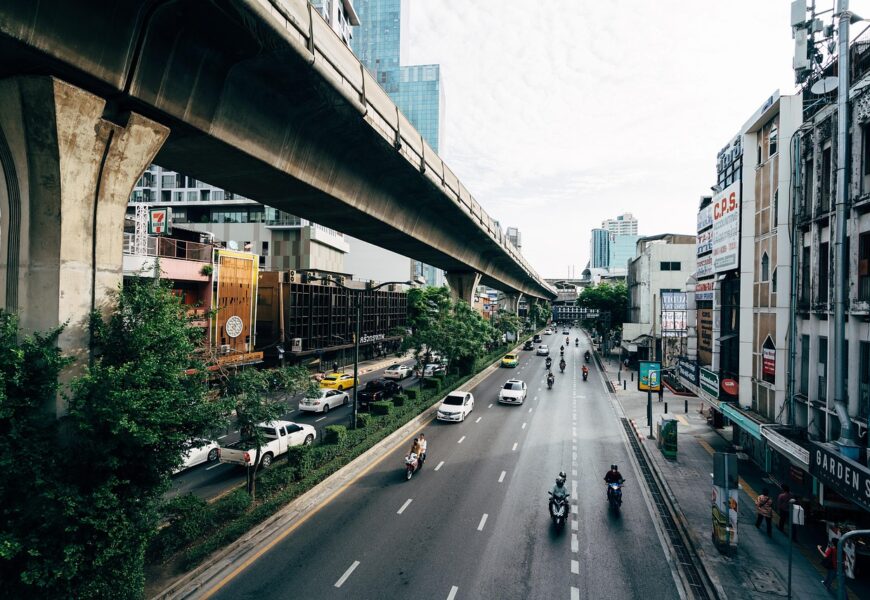
Bangkok, Thailand’s capital and largest city, represents an extraordinary urban ecosystem that seamlessly integrates traditional Thai culture with cutting-edge modernity. With over 10 million metropolitan residents, Bangkok is a vibrant megalopolis characterized by towering skyscrapers, ancient Buddhist temples, bustling street markets, and sophisticated shopping districts. The city’s transportation infrastructure, including its extensive BTS Skytrain and MRT subway systems, enables efficient movement across its expansive urban landscape.
Visitors and residents alike marvel at Bangkok’s incredible contrasts. Luxurious five-star hotels stand adjacent to traditional wooden houses, while high-end shopping centers like Siam Paragon coexist with centuries-old markets such as Chatuchak Weekend Market. The city’s culinary scene is equally impressive, offering everything from street food stalls serving authentic pad thai to Michelin-starred restaurants delivering world-class gastronomic experiences.
Chiang Mai: Cultural Capital of Northern Thailand
Nestled among misty mountains in northern Thailand, Chiang Mai represents a dramatically different urban experience from Bangkok. With approximately 200,000 residents, this historic city serves as a cultural and artistic hub that preserves traditional Thai heritage while embracing contemporary innovation. Founded in 1296, Chiang Mai features over 300 Buddhist temples, including the stunning Doi Suthep, which offers breathtaking views of the surrounding landscape.
The city has become increasingly popular among digital nomads and expatriates, attracted by its lower cost of living, vibrant creative community, and relaxed atmosphere. Chiang Mai’s old city, surrounded by ancient walls and moats, provides a glimpse into Thailand’s rich historical past while simultaneously hosting modern cafes, art galleries, and co-working spaces that attract international professionals and entrepreneurs.
Phuket: Tropical Urban Paradise
Phuket, Thailand’s largest island, represents a unique urban environment that combines coastal beauty with sophisticated infrastructure. As a major tourist destination, the city attracts millions of international visitors annually, offering a perfect blend of stunning beaches, world-class resorts, and dynamic urban amenities. Phuket Town, the island’s historic center, showcases remarkable Sino-Portuguese architecture that reflects the region’s complex cultural heritage.
The city’s economy thrives on tourism, with sophisticated hospitality infrastructure supporting millions of annual visitors. Modern amenities like international hospitals, international schools, and advanced telecommunications networks make Phuket an attractive destination for both tourists and long-term residents seeking a tropical urban lifestyle.
Chiang Rai: Gateway to the Golden Triangle
Located in Thailand’s northernmost province, Chiang Rai offers a distinctive urban experience characterized by its proximity to Myanmar and Laos. This smaller city serves as a critical cultural and economic center, representing the unique multicultural landscape of Thailand’s northern regions. The city is renowned for its stunning architectural landmarks, including the iconic White Temple (Wat Rong Khun), which represents a contemporary artistic interpretation of traditional Buddhist design.
Chiang Rai’s urban environment reflects the region’s rich ethnic diversity, with significant populations of hill tribes and indigenous communities contributing to the city’s unique cultural fabric. Agricultural and tourism industries play crucial roles in the local economy, creating a dynamic urban ecosystem that balances traditional practices with modern development.
Emerging Urban Centers: Future of Thai Cities
Beyond traditional major cities, Thailand is experiencing rapid urban development in secondary cities like Khon Kaen, Nakhon Ratchasima, and Hat Yai. These emerging urban centers are experiencing significant infrastructure investments, technological innovations, and economic transformations that promise exciting future growth. Smart city initiatives, sustainable urban planning, and digital infrastructure development are reshaping these regions’ economic and social landscapes.
These emerging cities represent Thailand’s commitment to balanced national development, creating opportunities beyond traditional metropolitan centers. By investing in regional infrastructure, transportation networks, and economic diversification, Thailand is creating a more inclusive and dynamic urban ecosystem that extends economic opportunities across the entire nation.
Thailand’s cities represent far more than mere geographical locations; they are living, breathing organisms that embody the nation’s extraordinary cultural complexity, historical depth, and contemporary dynamism. From the bustling streets of Bangkok to the serene mountains surrounding Chiang Mai, each urban center offers a unique window into Thailand’s remarkable national identity. Understanding these urban landscapes provides profound insights into the country’s past, present, and future, revealing a society that continuously evolves while maintaining deep connections to its rich cultural heritage.