Thailand’s urban landscape offers a mesmerizing blend of ancient traditions and modern innovation, presenting travelers with an extraordinary journey through some of Southeast Asia’s most captivating cities. From the sprawling metropolis of Bangkok to the historic northern gem of Chiang Mai, each urban center tells a unique story of cultural richness, economic dynamism, and unparalleled human experience. These cities are not merely geographical locations but living, breathing ecosystems that showcase Thailand’s remarkable ability to preserve its heritage while embracing contemporary global trends.
Bangkok: The Vibrant Capital of Thailand
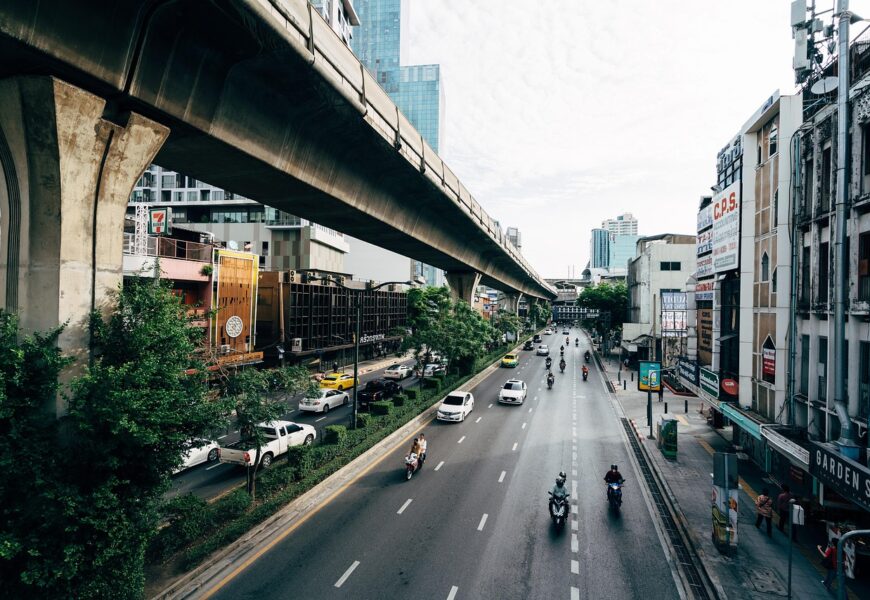
Bangkok stands as the crown jewel of Thai urban centers, a pulsating megalopolis that seamlessly blends centuries-old traditions with cutting-edge modernity. With a population exceeding 10 million, the city represents Thailand’s economic and cultural heartbeat. Visitors are immediately struck by the extraordinary contrast between ornate Buddhist temples like Wat Phra Kaew and gleaming skyscrapers that define the city’s skyline. The city’s transportation infrastructure, including its sophisticated BTS Skytrain and extensive metro system, makes navigating this complex urban landscape surprisingly efficient.
The city’s street life is legendary, with bustling markets like Chatuchak Weekend Market offering an sensory overload of colors, sounds, and flavors. Culinary enthusiasts will find Bangkok a paradise, with world-renowned street food that ranges from traditional pad thai to innovative fusion cuisines. The city’s economic significance cannot be overstated, serving as a major regional hub for finance, technology, and international business.
Chiang Mai: The Cultural Jewel of Northern Thailand
Nestled among misty mountains in northern Thailand, Chiang Mai represents a dramatically different urban experience from Bangkok’s frenetic energy. With a population of approximately 200,000, this ancient city offers a more relaxed and culturally immersive environment. Founded in 1296, Chiang Mai boasts over 300 temples, with Wat Phra That Doi Suthep standing as a particularly iconic spiritual landmark. The city has become a significant hub for digital nomads and creative professionals, attracting international talent with its low cost of living and vibrant cultural scene.
Chiang Mai’s economic landscape is diverse, encompassing traditional handicrafts, modern technology sectors, and a robust tourism industry. The city’s night markets, particularly the famous Sunday Walking Street, showcase intricate local craftsmanship and provide visitors with an authentic glimpse into Northern Thai culture. Its cooler climate and proximity to mountain regions make it a unique destination for travelers seeking both urban amenities and natural beauty.
Phuket: Tropical Urban Paradise
Phuket represents Thailand’s premier island urban destination, combining metropolitan infrastructure with stunning tropical landscapes. As Thailand’s largest island, it offers a unique urban experience characterized by beautiful beaches, international-standard resorts, and a thriving tourism economy. The city of Phuket has transformed from a simple fishing community to a sophisticated urban center that attracts millions of international visitors annually. Its international airport serves as a crucial gateway for regional and global travelers, contributing significantly to Thailand’s tourism sector.
The urban areas of Phuket showcase remarkable architectural diversity, blending Sino-Portuguese historical buildings in Old Phuket Town with modern luxury developments. The city’s economic model relies heavily on tourism, hospitality, and increasingly, technology and digital infrastructure. Visitors can experience a remarkable fusion of traditional Thai culture and cosmopolitan urban lifestyle.
Chiang Rai: Emerging Urban Destination
Located in Thailand’s northernmost region, Chiang Rai represents an emerging urban destination that offers travelers a glimpse into less-explored Thai urban experiences. Despite its smaller size, the city has gained international recognition for its stunning architectural landmarks like the White Temple (Wat Rong Khun), which represents a modern, artistic interpretation of traditional Buddhist architecture. The city serves as a crucial cultural and economic link between Thailand, Myanmar, and Laos.
Chiang Rai’s urban landscape reflects a unique blend of hill tribe cultures, historical significance, and contemporary development. Its strategic location in the Golden Triangle region makes it an important center for cross-border trade and cultural exchange. The city’s emerging tech and creative sectors demonstrate Thailand’s commitment to diversifying its urban economic models.
Pattaya: Dynamic Coastal Urban Center
Pattaya has evolved from a small fishing village to a dynamic coastal urban center that attracts millions of international visitors annually. Located just two hours from Bangkok, the city offers a unique blend of entertainment, beaches, and urban amenities. Its economy is predominantly driven by tourism, with a robust infrastructure supporting international visitors from diverse backgrounds. The city has made significant investments in modernizing its urban spaces, creating world-class entertainment districts and improving public infrastructure.
While often associated with nightlife, modern Pattaya offers much more, including family-friendly attractions, water sports, and cultural experiences. The city demonstrates Thailand’s ability to continuously reinvent and diversify its urban destinations, catering to increasingly sophisticated global travelers.
Thailand’s cities represent far more than mere geographical locations; they are living narratives of cultural resilience, economic innovation, and human creativity. Each urban center offers a unique window into the complex, multifaceted nature of contemporary Thai society. From the bustling streets of Bangkok to the serene temples of Chiang Mai, these cities invite travelers to explore, understand, and be transformed by their extraordinary urban experiences. As Thailand continues to develop and modernize, its cities will undoubtedly remain at the forefront of Southeast Asian urban innovation and cultural expression.