
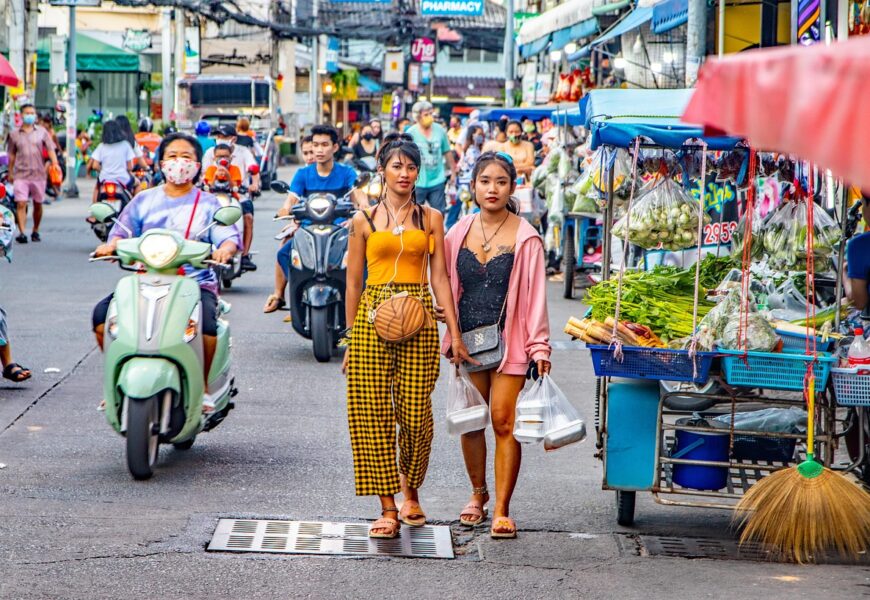
Thailand represents a fascinating landscape of cultural complexity, particularly when examining the multifaceted experiences of Thai women. Throughout centuries of social transformation, women in Thailand have navigated intricate societal expectations, traditional values, and modern aspirations with remarkable resilience and adaptability. From rural communities to urban centers, Thai women embody a unique blend of traditional cultural norms and progressive contemporary identities. Their experiences are shaped by historical contexts, Buddhist philosophical influences, familial structures, and rapidly evolving economic opportunities that challenge and redefine traditional gender roles.
Historical Context and Cultural Heritage
Thai women’s historical trajectory reveals a nuanced narrative of strength and adaptation. Unlike many Asian societies, Thailand’s cultural framework traditionally provided women with relatively significant social mobility and economic participation. Buddhist philosophical principles emphasizing compassion and individual dignity have contributed to a more egalitarian social perspective. Historically, women played crucial roles in agricultural economies, family businesses, and community leadership, challenging simplistic narratives of female marginalization. Pre-colonial Thai societies often recognized women’s economic contributions, with inheritance and property rights more flexible compared to neighboring countries.
Archaeological evidence and historical records demonstrate that women in ancient Thai kingdoms held substantial social and economic influence. They participated actively in trade, maintained complex family networks, and often served as critical economic decision-makers within their communities. This historical context provides a foundational understanding of Thai women’s enduring social resilience and adaptability.
Contemporary Social Dynamics and Education
Modern Thai society has witnessed remarkable transformations in women’s educational and professional opportunities. Contemporary statistics reveal extraordinary progress: women now constitute approximately 55% of university graduates in Thailand, significantly outpacing male academic achievement. This educational empowerment has catalyzed profound societal shifts, enabling women to access professional careers previously dominated by men. Fields like medicine, law, technology, and entrepreneurship now showcase increasing female representation, challenging traditional gender expectations.
Educational institutions have become critical platforms for challenging entrenched social narratives, promoting gender equality, and expanding women’s potential beyond traditional domestic roles. Urban centers like Bangkok demonstrate particularly accelerated progress, with women increasingly occupying leadership positions in corporate, governmental, and academic sectors.
Economic Participation and Entrepreneurship
Thai women have emerged as powerful economic actors, driving innovation and economic growth across multiple sectors. Entrepreneurial spirit characterizes many women’s professional journeys, with small and medium enterprises often led by female founders. Traditional handicraft industries, digital technology startups, and international trade increasingly showcase women’s strategic capabilities and economic contributions. The rise of digital platforms has further democratized economic opportunities, allowing women to create global businesses from local contexts.
Government policies and international development initiatives have progressively supported women’s economic empowerment, recognizing their potential as catalysts for broader societal transformation. Microfinance programs, skills training initiatives, and targeted economic support have enabled women from diverse backgrounds to pursue entrepreneurial ambitions.
Cultural Challenges and Social Expectations
Despite significant progress, Thai women continue navigating complex cultural expectations and systemic challenges. Traditional familial structures often impose nuanced social pressures, balancing personal aspirations with collective familial responsibilities. Patriarchal elements persist in certain social domains, creating subtle yet persistent barriers to full gender equality. Religious and cultural traditions, while evolving, still influence perceptions of women’s roles and potential.
Intersectional experiences vary dramatically across urban and rural contexts, with women from different socioeconomic backgrounds encountering distinctly different opportunities and challenges. Urban professional women might experience relatively progressive environments, while rural women may confront more traditional gender expectations.
Global Representation and Cultural Identity
Thai women have increasingly gained international recognition across diverse domains, from diplomatic leadership to creative industries. Their global representation challenges stereotypical narratives and showcases the complexity of Thai cultural identity. Contemporary Thai women navigate multiple identities simultaneously: maintaining cultural traditions while embracing global perspectives, challenging external perceptions, and redefining cultural narratives.
International media and cultural exchanges have played crucial roles in presenting more nuanced, multidimensional representations of Thai women, moving beyond reductive stereotypes and highlighting individual achievements and collective resilience.
The story of Thai women represents an ongoing journey of empowerment, resilience, and transformative potential. Their experiences illuminate broader conversations about gender, culture, and social progress. By continuously challenging limitations, embracing education, and leveraging individual and collective strengths, Thai women are reshaping societal landscapes and creating more inclusive, dynamic futures. Their narratives inspire not just national transformation but offer profound insights into human potential, cultural adaptation, and the power of persistent, compassionate progress.