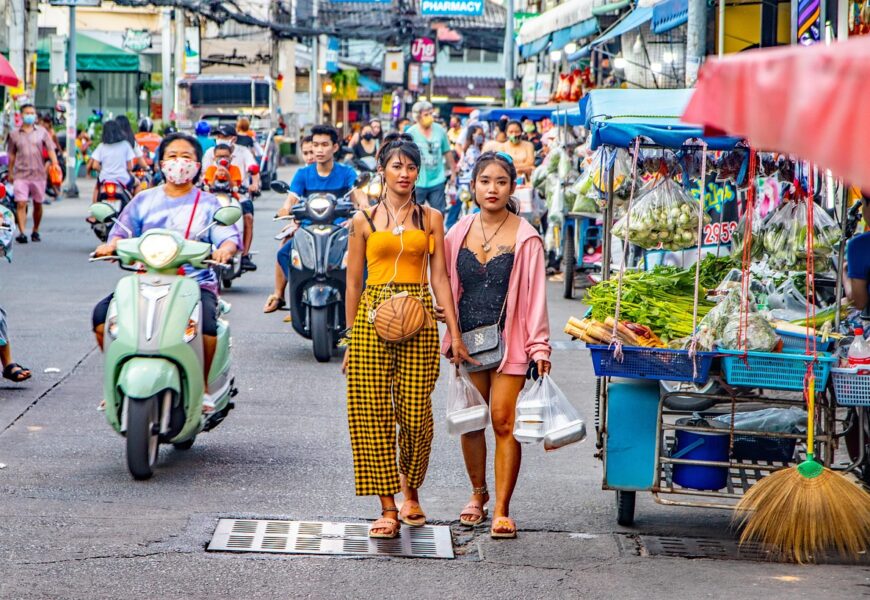
Thailand represents a fascinating cultural landscape where women play increasingly complex and dynamic roles in society, challenging traditional perceptions while maintaining deep connections to historical and cultural traditions. Modern Thai women navigate a sophisticated social environment that balances ancient cultural expectations with contemporary global opportunities. From professional achievements to family dynamics, Thai women demonstrate remarkable resilience, intelligence, and adaptability in multiple spheres of life. Their experiences reflect a nuanced interplay between traditional values and progressive social transformations, making them integral to understanding Thailand’s evolving social landscape.
Historical Context and Cultural Foundations
Thai women’s societal roles have been profoundly shaped by centuries of cultural development, Buddhist philosophical influences, and regional social structures. Historically, women held significant economic and social responsibilities within family units, often managing household finances and participating actively in agricultural and commercial activities. Unlike some neighboring cultures, Thai society traditionally viewed women as capable partners rather than subordinate entities. Buddhist teachings emphasizing compassion and mutual respect contributed to a relatively egalitarian social framework that allowed women meaningful participation in community life.
Traditional Thai culture respected women’s contributions, recognizing their essential roles in maintaining familial and social harmony. Extended family structures typically empowered women as decision-makers, particularly in managing household resources and providing emotional support. These historical foundations created a unique environment where women could exercise substantial informal power while adhering to societal expectations of grace and diplomacy.
Educational and Professional Achievements
Contemporary Thai women have made remarkable strides in education and professional sectors, consistently outperforming male counterparts in academic achievements. Recent statistics reveal that women represent approximately 60% of university graduates across various disciplines, demonstrating exceptional intellectual capabilities and commitment to personal development. Fields like medicine, law, engineering, and business increasingly showcase women’s leadership and innovative contributions. Urban centers like Bangkok provide extensive opportunities for professional growth, enabling women to pursue ambitious career trajectories previously unavailable.
Professional Thai women challenge traditional gender stereotypes by excelling in traditionally male-dominated industries. Technology, finance, and entrepreneurial sectors increasingly recognize women’s strategic capabilities, creating more inclusive workplace environments. Government initiatives promoting gender equality have further accelerated these positive transformations, encouraging women’s participation in economic and social development.
Family Dynamics and Social Expectations
Family remains a cornerstone of Thai cultural identity, with women playing pivotal roles in maintaining familial connections and intergenerational relationships. Modern Thai women skillfully balance professional aspirations with familial responsibilities, challenging conventional narratives about work-life integration. While traditional expectations persist regarding marriage and motherhood, younger generations increasingly negotiate these roles on their own terms. Extended family networks continue providing critical support systems, allowing women more flexibility in personal and professional choices.
Marriage dynamics have evolved significantly, with women exercising greater autonomy in partner selection and relationship expectations. Increased economic independence has transformed traditional power structures, creating more egalitarian partnerships based on mutual respect and shared responsibilities. Urban and rural contexts demonstrate nuanced variations in these evolving relationship models, reflecting complex social transformations.
Cultural Identity and Global Perspectives
Thai women represent a sophisticated blend of cultural heritage and global consciousness, navigating multiple identity dimensions with remarkable grace. Their experiences reflect broader societal shifts towards more inclusive, dynamic social frameworks. Traditional values of respect, compassion, and community remain integral, even as women embrace progressive ideals of personal agency and self-determination. This delicate balance distinguishes Thai women’s experiences from simplistic cultural stereotypes.
Global interconnectedness has expanded opportunities for Thai women, enabling international education, professional exchanges, and cross-cultural dialogues. Technology and increased mobility have further accelerated these transformative processes, allowing women to connect, learn, and grow beyond traditional geographical limitations. Emerging generations demonstrate remarkable adaptability, synthesizing global influences with deep cultural roots.
Challenges and Future Trajectories
Despite significant progress, Thai women continue confronting systemic challenges related to gender inequality, workplace discrimination, and deeply entrenched social expectations. Ongoing efforts focus on legislative reforms, educational initiatives, and cultural awareness programs designed to create more equitable opportunities. Grassroots movements and progressive organizations play crucial roles in challenging restrictive norms and advocating for comprehensive social change.
Future trajectories for Thai women appear increasingly promising, with younger generations demonstrating unprecedented levels of educational attainment, professional ambition, and social consciousness. Continued investments in gender equality, educational access, and systemic support will be critical in realizing their full potential. The evolving narrative of Thai women represents a powerful testament to resilience, intelligence, and transformative social potential.
Understanding Thai women’s experiences requires nuanced appreciation of their multifaceted identities, cultural complexities, and remarkable adaptability. Their stories transcend simplistic narratives, revealing sophisticated strategies of negotiation, resistance, and empowerment. As Thailand continues its social evolution, women will undoubtedly remain central architects of cultural transformation, bridging traditional wisdom with progressive aspirations.