
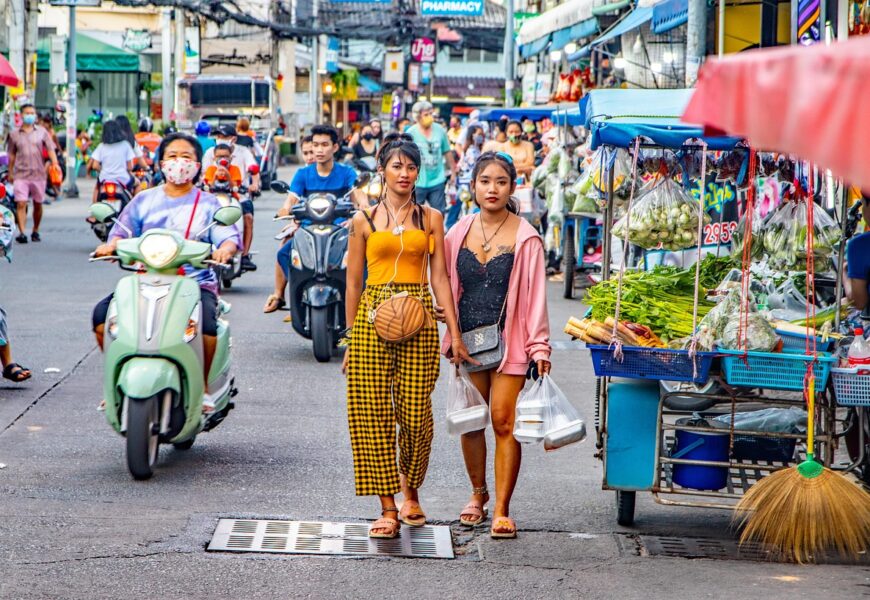
Thailand represents a fascinating cultural landscape where women play a complex and dynamic role in society, navigating traditional expectations and modern aspirations. With a rich historical background and evolving social dynamics, Thai women have consistently demonstrated remarkable resilience, intelligence, and adaptability. From rural communities to urban centers, they contribute significantly to the nation’s economic, social, and cultural development. Understanding their experiences requires a nuanced exploration of cultural traditions, societal challenges, and the ongoing transformation of gender roles in contemporary Thai society.
Historical Context and Cultural Heritage
Thai women have historically occupied a unique position within Southeast Asian culture, characterized by relative social mobility and respected status compared to many neighboring regions. Unlike some patriarchal societies, traditional Thai culture has recognized women’s capabilities and contributions. Buddhist philosophical principles emphasizing compassion and equality have significantly influenced gender perspectives. Historically, women participated actively in economic activities, managed household finances, and held respected positions in community leadership. Ancient Thai kingdoms frequently featured powerful female rulers and administrators who demonstrated exceptional strategic and diplomatic skills.
Statistical evidence reveals that Thai women have consistently achieved high literacy rates, with approximately 92% of women being educated in recent decades. This educational achievement has been a critical factor in their social advancement, enabling greater economic opportunities and personal empowerment. Traditional family structures emphasized women’s roles as nurturers and economic contributors, creating a more balanced societal framework that valued female perspectives and capabilities.
Economic Participation and Professional Achievements
Contemporary Thai women are making remarkable strides in professional domains, challenging historical gender limitations and establishing themselves across diverse industries. In sectors like technology, business, healthcare, and academia, women are increasingly occupying leadership positions and driving innovation. Recent economic data indicates that women constitute approximately 45% of Thailand’s workforce, representing a significant economic demographic. Entrepreneurial spirit is particularly strong among Thai women, with many successfully launching and managing small and medium-sized enterprises.
The technology and startup ecosystem has witnessed substantial female participation, with women founding innovative companies and leading digital transformation initiatives. Educational investments and changing societal attitudes have created environments where professional ambition is increasingly celebrated rather than discouraged. Government policies promoting gender equality and workplace inclusivity have further accelerated these positive developments, creating more supportive ecosystems for women’s professional growth.
Social Challenges and Empowerment Movements
Despite significant progress, Thai women continue confronting complex social challenges related to gender expectations, workplace discrimination, and cultural stereotypes. Sexual harassment, unequal pay, and limited career advancement opportunities remain persistent issues. However, robust grassroots movements and increasing public discourse have catalyzed meaningful conversations about gender equality. Young generations of Thai women are increasingly vocal about challenging traditional norms and advocating for comprehensive social transformation.
Contemporary feminist movements in Thailand emphasize intersectional approaches, recognizing diverse experiences across different socioeconomic backgrounds. Urban and rural women face distinctly different challenges, requiring nuanced strategies for empowerment. Legal reforms, educational initiatives, and media representation have played crucial roles in challenging entrenched patriarchal structures and promoting more inclusive societal models.
Cultural Identity and Global Perspectives
Thai women’s cultural identity represents a sophisticated blend of traditional values and progressive aspirations. While deeply respecting cultural heritage, many women are actively redefining traditional roles and expectations. Global interconnectedness has exposed younger generations to diverse perspectives, encouraging critical examination of historical gender constructs. International education, digital connectivity, and increased global mobility have expanded horizons and inspired more dynamic self-conceptualizations.
The concept of femininity in Thailand has become increasingly multifaceted, moving beyond narrow stereotypical representations. Women are embracing complex, multilayered identities that transcend traditional boundaries. This evolution reflects broader societal transformations, where individual agency and personal choice are gaining prominence over rigid cultural prescriptions.
Future Trajectories and Emerging Opportunities
Looking forward, Thai women are poised to play increasingly significant roles across social, economic, and political domains. Continued investments in education, technological access, and supportive policy frameworks will be critical in realizing their full potential. Emerging opportunities in digital economies, sustainable development, and creative industries offer promising pathways for professional and personal growth.
The ongoing narrative of Thai women is one of resilience, adaptability, and continuous transformation. By challenging limitations, celebrating achievements, and fostering supportive ecosystems, Thailand can unlock tremendous potential inherent in its female population. The future promises increasingly sophisticated, nuanced understandings of gender dynamics that honor individual capabilities while respecting cultural heritage.