
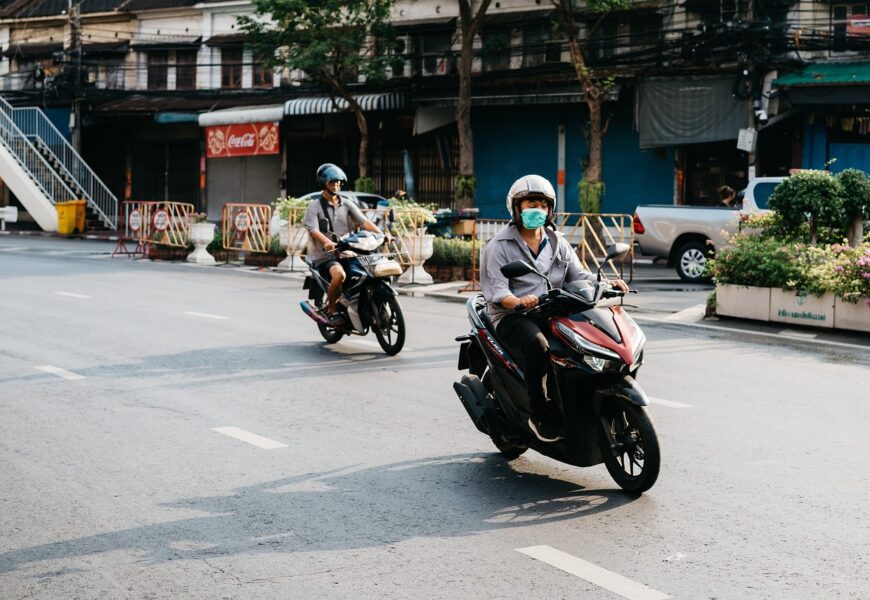
Thailand remains one of Southeast Asia’s most affordable and captivating destinations for budget-conscious travelers seeking incredible experiences without breaking the bank. With its stunning landscapes, vibrant culture, delicious cuisine, and welcoming locals, Thailand offers an unparalleled travel experience that can be enjoyed even on a modest budget. From bustling Bangkok streets to pristine southern beaches and lush northern mountains, budget travelers can explore this incredible country without spending a fortune. Understanding the nuances of budget travel in Thailand requires strategic planning, local knowledge, and a willingness to embrace authentic experiences beyond typical tourist traps.
Budget-Friendly Accommodation Options
Thailand offers an incredible range of affordable accommodation choices that cater to budget travelers. Hostels in major cities like Bangkok, Chiang Mai, and Phuket typically range from $5-$15 per night, providing clean, comfortable dormitory-style rooms with essential amenities. Backpacker districts like Khao San Road in Bangkok are renowned for ultra-cheap lodging options that connect travelers from around the world. For slightly more comfort, budget guesthouses and local hotels offer private rooms starting at $15-$25 per night, providing air conditioning, Wi-Fi, and basic conveniences.
Travelers can maximize savings by booking accommodations during off-peak seasons, utilizing online booking platforms with discounts, and considering alternative lodging like homestays or community-based tourism options. Many budget accommodations offer additional value through free breakfast, communal kitchens, organized group activities, and insider travel tips from local staff.
Transportation and Getting Around Affordably
Navigating Thailand on a budget requires understanding the country’s diverse transportation ecosystem. Public buses remain the most economical option, with intercity routes costing between $5-$15 depending on distance. Local buses within cities typically charge less than $1 per ride, making them an excellent choice for budget-conscious travelers. Overnight buses connecting major destinations provide significant savings on accommodation while allowing travelers to maximize their travel time.
For shorter distances, motorbike taxis and tuk-tuks offer quick, affordable transportation. While negotiating fares is essential, these options generally cost significantly less than traditional taxi services. Budget travelers should also explore train travel, with extensive networks connecting major cities at remarkably low prices. Third-class train tickets can cost as little as $3-$10, offering an authentic travel experience and stunning countryside views.
Eating on a Budget: Street Food and Local Cuisine
Thailand’s street food culture represents one of the most budget-friendly and delicious culinary experiences worldwide. Local street vendors offer incredibly tasty meals ranging from $1-$3, allowing travelers to enjoy authentic Thai cuisine without expensive restaurant prices. Popular street food items like Pad Thai, som tam (papaya salad), and various rice and noodle dishes provide nutritious, flavorful options at minimal cost. Night markets in cities like Bangkok and Chiang Mai offer extensive food selections that showcase local culinary traditions.
Budget travelers can further reduce food expenses by eating at local markets, avoiding tourist-focused restaurants, and exploring neighborhood eateries frequented by locals. Many hostels and budget accommodations also provide communal kitchens, enabling travelers to prepare their own meals and reduce dining expenses. By embracing local eating habits and being adventurous, travelers can enjoy exceptional Thai cuisine while maintaining a tight budget.
Free and Low-Cost Activities and Attractions
Thailand offers numerous free and low-cost activities that provide rich cultural experiences without significant expenses. Many Buddhist temples welcome visitors free of charge, offering insights into local spiritual practices and architectural beauty. Public beaches, national parks, and hiking trails provide opportunities for outdoor exploration at minimal or no cost. Cities like Chiang Mai offer free walking tours, cultural workshops, and community events that connect travelers with local experiences.
Budget travelers can also take advantage of affordable group tours, which often cost significantly less than private experiences. Many hostels and budget accommodations organize group activities, city tours, and adventure experiences at reduced rates. By being flexible, engaging with local communities, and seeking alternative entertainment options, travelers can create memorable experiences without overspending.
Money-Saving Travel Strategies
Successful budget travel in Thailand requires strategic planning and smart financial decisions. Utilizing local SIM cards with affordable data plans, avoiding tourist-oriented shopping areas, and traveling during shoulder seasons can dramatically reduce overall expenses. Travelers should also carry cash, as many budget establishments do not accept credit cards, and ATM fees can accumulate quickly. Negotiating prices for services, tours, and souvenirs is an expected part of Thai culture and can result in significant savings.
By implementing a combination of budget accommodation, local transportation, street food, free activities, and strategic spending, travelers can explore Thailand comprehensively while spending as little as $20-$30 per day. Embracing flexibility, cultural openness, and a willingness to step outside traditional tourist experiences will unlock extraordinary travel opportunities in this remarkable destination.
Budget travel in Thailand represents an incredible opportunity to experience a diverse, vibrant country without financial strain. By understanding local customs, being adaptable, and approaching travel with an open mind, budget-conscious travelers can create unforgettable memories while maintaining financial responsibility. The key lies in thorough research, strategic planning, and a genuine enthusiasm for authentic cultural experiences that extend far beyond typical tourist expectations.