
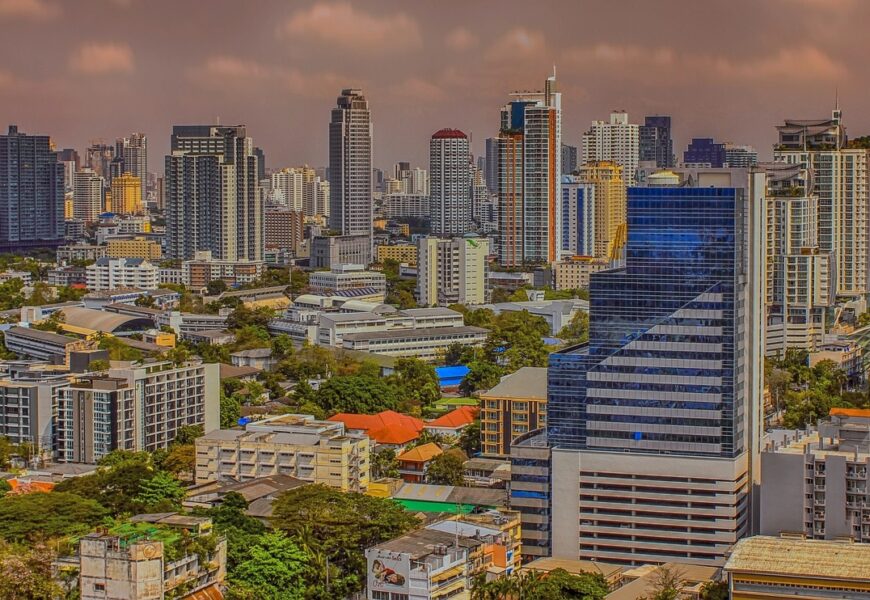
Bangkok, the vibrant capital of Thailand, is a mesmerizing metropolis that seamlessly blends ancient traditions with cutting-edge modernity. Situated along the Chao Phraya River, this dynamic city captivates millions of visitors annually with its intoxicating mix of ornate temples, bustling street markets, world-class cuisine, and electric urban energy. From gleaming skyscrapers to centuries-old Buddhist temples, Bangkok offers an unparalleled travel experience that stimulates every sense and challenges every preconception about Southeast Asian urban life. With over 8.2 million residents, the city is a complex tapestry of cultural experiences, culinary delights, and architectural wonders that beckons travelers from around the globe.
Historical and Cultural Landscape
Bangkok’s rich history dates back to the 15th century, when it was a small trading center during the Ayutthaya Kingdom. Established as the capital in 1782, the city quickly became the political and cultural heart of Thailand. The Grand Palace, a stunning complex of royal buildings, remains a testament to the city’s historical significance. Visitors can explore intricate architectural marvels like Wat Phra Kaew (Temple of the Emerald Buddha), which showcases the pinnacle of Thai Buddhist artistic expression. The city’s cultural heritage is deeply rooted in Buddhist traditions, with over 400 temples scattered throughout its urban landscape. Each temple tells a unique story of spiritual devotion, artistic craftsmanship, and historical significance.
Culinary Experiences and Street Food Culture
Bangkok is universally recognized as a global street food capital, offering an extraordinary culinary landscape that tantalizes taste buds and challenges gastronomic boundaries. Neighborhoods like Chinatown and Sukhumvit feature countless street vendors preparing authentic Thai dishes that represent generations of culinary tradition. Popular dishes like pad thai, som tam (papaya salad), and mango sticky rice represent just a fraction of the city’s incredible food scene. Street food tours have become increasingly popular, allowing visitors to explore hidden culinary gems and understand the intricate flavor profiles of Thai cuisine. The average street food meal costs between 30-60 baht (approximately $1-$2), making it an incredibly affordable and authentic dining experience.
Modern Urban Experiences
Contemporary Bangkok represents a remarkable fusion of traditional culture and modern innovation. The city’s skyline is dominated by impressive structures like the MahaNakhon skyscraper and numerous luxury shopping centers such as Siam Paragon and CentralWorld. Public transportation, including the BTS Skytrain and MRT subway systems, provides efficient connectivity across the metropolitan area. Technology and innovation have transformed Bangkok into a smart city, with increasing digital infrastructure and entrepreneurial ecosystems. Neighborhoods like Thonglor have emerged as trendy districts featuring sophisticated cafes, innovative restaurants, and vibrant nightlife scenes that attract both locals and international visitors.
Natural and Recreational Spaces
Despite its urban density, Bangkok offers numerous green spaces and recreational areas that provide respite from the city’s intense energy. Lumphini Park, spanning 142 acres in the city center, offers walking paths, public exercise areas, and opportunities to observe local wildlife. The city’s proximity to tropical landscapes allows easy access to stunning natural environments, including nearby national parks and coastal regions. Water-based activities along the Chao Phraya River provide unique perspectives of the urban landscape, with traditional long-tail boats offering scenic tours that showcase the city’s architectural diversity. Recreational opportunities range from traditional Thai massage experiences to modern fitness centers and wellness retreats.
Economic and Business Ecosystem
Bangkok serves as Thailand’s primary economic engine, contributing approximately 40% of the country’s gross domestic product. The city hosts numerous multinational corporations, startup ecosystems, and international business conferences. Key economic sectors include manufacturing, tourism, finance, and digital technologies. Foreign investment continues to drive economic growth, with special economic zones and supportive government policies attracting global businesses. The city’s strategic location in Southeast Asia makes it an ideal hub for regional commerce, with world-class infrastructure supporting international trade and technological innovation.
Bangkok represents a captivating destination that defies simple categorization. Its complex layers of history, culture, innovation, and tradition create an urban experience unlike any other in the world. Travelers seeking authentic cultural immersion, culinary adventures, historical exploration, and modern urban experiences will find Bangkok an endlessly fascinating destination. Whether wandering through ancient temples, exploring bustling markets, or enjoying sophisticated urban amenities, visitors are guaranteed an unforgettable journey that challenges perceptions and creates lasting memories. The city’s ability to simultaneously honor its rich heritage while embracing contemporary global trends makes it a truly unique metropolitan experience.