
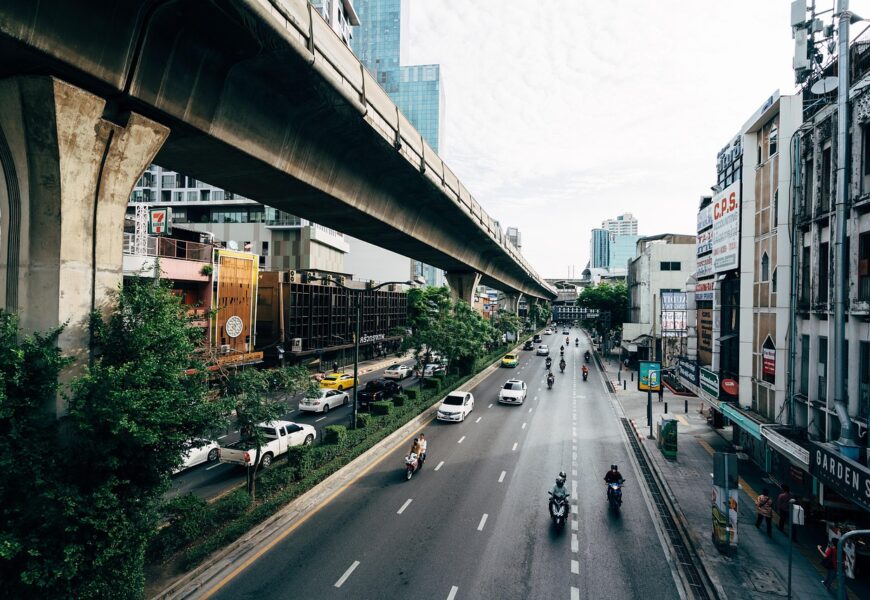
Thailand represents a captivating blend of modern metropolises and traditional urban centers, offering travelers and residents a diverse array of city experiences that seamlessly merge ancient culture with contemporary development. From bustling capital Bangkok to charming regional hubs, Thailand’s cities showcase remarkable diversity, economic dynamism, and rich cultural heritage. Each urban center presents unique characteristics, architectural marvels, and distinctive atmospheres that reflect the country’s complex social and economic evolution.
Bangkok: Thailand’s Dynamic Capital City
Bangkok stands as Thailand’s most prominent urban center, representing a vibrant metropolis that combines traditional Southeast Asian charm with cutting-edge modernity. With approximately 10.5 million residents in its metropolitan area, Bangkok serves as the nation’s political, economic, and cultural nucleus. The city features an extraordinary mix of ornate Buddhist temples, gleaming skyscrapers, bustling street markets, and sophisticated shopping districts. Key attractions like the Grand Palace, Wat Phra Kaew, and Chatuchak Weekend Market demonstrate Bangkok’s ability to preserve historical significance while embracing contemporary urban development.
The city’s transportation infrastructure, including its extensive BTS Skytrain and MRT subway systems, enables efficient mobility across its complex urban landscape. Bangkok’s economy represents approximately 40% of Thailand’s total GDP, making it a crucial economic powerhouse that attracts international businesses, investors, and entrepreneurs from around the world.
Chiang Mai: Northern Cultural Gem
Located in northern Thailand, Chiang Mai represents a compelling contrast to Bangkok’s metropolitan intensity. With a population of around 200,000, this ancient city offers a more relaxed urban environment deeply rooted in traditional Thai and Lanna cultural traditions. Chiang Mai features over 300 temples, including the iconic Wat Phra That Doi Suthep, which sits majestically on a mountain overlooking the city. The urban center serves as a significant cultural and educational hub, hosting numerous universities and attracting international students and digital nomads seeking a more tranquil lifestyle.
The city’s economic landscape increasingly focuses on technology, creative industries, and sustainable tourism. Chiang Mai has developed a reputation as a startup ecosystem, with numerous co-working spaces and innovation centers supporting emerging entrepreneurs and digital professionals. Its cooler climate and scenic mountain backdrop provide a unique urban experience distinct from Thailand’s tropical coastal regions.
Phuket: Tropical Urban Paradise
Phuket represents Thailand’s premier island urban center, combining stunning natural beauty with sophisticated urban infrastructure. As Thailand’s largest island, Phuket City offers a remarkable blend of historical Sino-Portuguese architecture, modern resorts, and vibrant tourism-driven economies. The urban area attracts millions of international visitors annually, generating substantial economic activity through hospitality, real estate, and service industries.
With a population of approximately 350,000, Phuket demonstrates remarkable economic resilience and adaptability. The city has successfully transformed from a traditional fishing and tin mining region to a world-class tourist destination. Its international airport, modern healthcare facilities, and extensive infrastructure make it an attractive location for both tourists and expatriates seeking a tropical urban lifestyle.
Chiang Rai: Northern Frontier Urban Center
Situated in Thailand’s northernmost region, Chiang Rai presents a unique urban experience characterized by its proximity to the Golden Triangle and rich ethnic diversity. The city serves as a crucial cultural crossroads, representing interactions between Thai, Burmese, and Laotian influences. With approximately 70,000 residents, Chiang Rai offers a more intimate urban environment focused on cultural preservation and sustainable development.
Notable attractions like the White Temple (Wat Rong Khun) showcase the city’s artistic innovation, demonstrating how contemporary urban centers in Thailand can blend traditional aesthetics with modern creative expressions. Chiang Rai’s economy emphasizes agricultural exports, cultural tourism, and emerging digital industries, reflecting the dynamic potential of smaller Thai urban centers.
Emerging Urban Trends in Thailand
Thailand’s urban landscapes are experiencing significant transformations driven by technological innovation, sustainable development, and global economic shifts. Smart city initiatives, digital infrastructure investments, and emphasis on green urban planning are reshaping how Thai cities approach economic and social challenges. Major metropolitan areas are increasingly adopting technologies like IoT, blockchain, and artificial intelligence to enhance urban management, transportation, and public services.
The country’s urban centers are also focusing on creating more inclusive, sustainable environments that balance economic growth with environmental conservation. Investments in public transportation, renewable energy, and green spaces demonstrate a forward-thinking approach to urban development that positions Thai cities as potential models for sustainable urban growth in Southeast Asia.
Thailand’s urban centers represent dynamic, multifaceted environments that offer remarkable diversity and potential. From Bangkok’s cosmopolitan energy to Chiang Mai’s cultural richness and Phuket’s tropical allure, these cities showcase the country’s ability to preserve traditional heritage while embracing modern innovation. Travelers, investors, and residents can discover unique experiences across Thailand’s urban landscapes, each offering distinctive characteristics that reflect the nation’s complex social and economic fabric.