
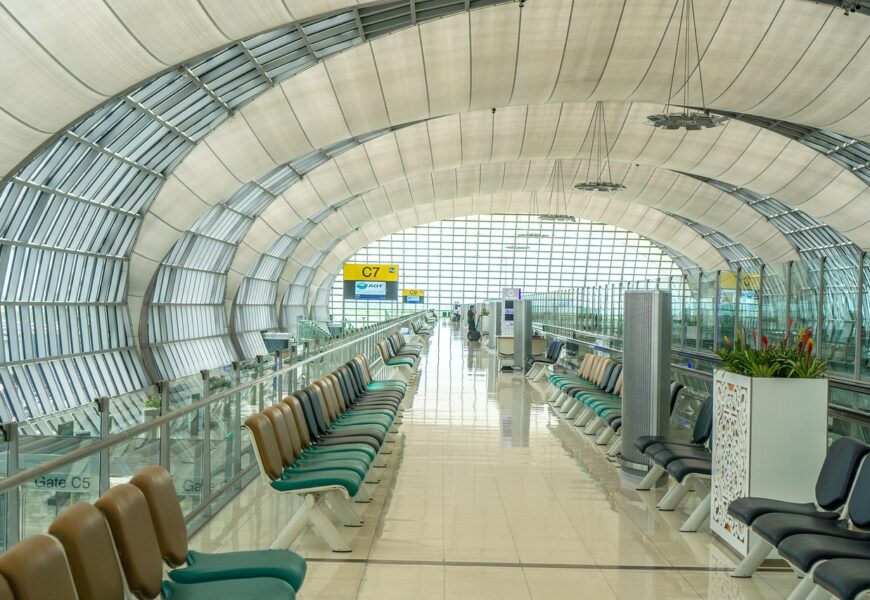
Thailand’s aviation landscape represents a dynamic and rapidly evolving transportation network that connects millions of travelers annually across Southeast Asia and the global stage. With its strategic geographic location, diverse international airports, and world-class airline services, Thailand offers travelers an exceptional air travel experience that blends modern infrastructure with renowned Thai hospitality. From bustling metropolitan hubs like Suvarnabhumi Airport in Bangkok to regional gateways serving tourist destinations, the country’s aviation ecosystem provides comprehensive connectivity that attracts business professionals, tourists, and global adventurers seeking seamless travel experiences.
Major International Airports in Thailand
Thailand boasts several significant international airports that serve as critical transportation hubs for regional and global travel. Suvarnabhumi Airport in Bangkok stands as the primary international gateway, handling approximately 65 million passengers annually and featuring state-of-the-art facilities designed to accommodate complex international travel requirements. This massive airport spans over 8,000 acres and includes multiple terminals equipped with advanced technological infrastructure, duty-free shopping areas, and comprehensive passenger services.
Don Mueang International Airport represents another crucial aviation center, primarily serving low-cost carriers and domestic routes. Located near Bangkok, this historic airport has undergone significant modernization to support Thailand’s growing aviation sector. Phuket International Airport serves as the primary gateway for southern Thailand’s tourism industry, connecting millions of international travelers to popular beach destinations and resort areas.
Major Airlines Operating in Thailand
Thailand’s national carrier, Thai Airways, remains a prominent international airline with extensive global route networks connecting major cities across multiple continents. The airline maintains a modern fleet of wide-body aircraft and provides premium services that reflect Thailand’s reputation for exceptional hospitality. Budget carriers like AirAsia Thailand and Nok Air have revolutionized domestic and regional travel by offering affordable ticket prices and expanding accessibility for budget-conscious travelers.
International airlines such as Emirates, Qatar Airways, Singapore Airlines, and Cathay Pacific maintain robust operational presence in Thailand, providing extensive global connectivity. These carriers offer multiple daily flights connecting Thailand with major international destinations, supporting both business and leisure travel segments.
Flight Booking and Travel Tips
Successful travel planning requires understanding Thailand’s complex aviation landscape and implementing strategic booking approaches. Travelers should consider booking flights during shoulder seasons between November and February, when ticket prices are more competitive and weather conditions remain favorable. Utilizing online comparison platforms and maintaining flexibility with travel dates can result in significant cost savings.
Advanced travelers recommend purchasing comprehensive travel insurance, checking visa requirements, and ensuring passport validity for at least six months beyond planned travel dates. Understanding baggage restrictions, checking-in procedures, and familiarizing oneself with airport layouts can substantially improve overall travel experiences and reduce potential complications.
Domestic Flight Considerations
Domestic flight networks in Thailand provide efficient transportation between major cities and popular tourist destinations. Airlines like Thai Smile and Bangkok Airways offer comprehensive domestic route coverage, connecting cities such as Bangkok, Chiang Mai, Phuket, and Krabi. Domestic flights typically range between 45-90 minutes, providing convenient alternatives to ground transportation.
Budget-conscious travelers should compare prices across multiple carriers, considering factors like baggage allowances, booking flexibility, and potential promotional offers. Early morning and late evening flights often provide more competitive pricing, allowing travelers to optimize their transportation expenses while maintaining convenient travel schedules.
Airport Infrastructure and Passenger Services
Thailand’s airports consistently invest in infrastructure improvements, implementing advanced technological solutions to enhance passenger experiences. Biometric immigration systems, high-speed Wi-Fi networks, and comprehensive digital information platforms represent significant technological investments designed to streamline travel processes. Many airports offer premium lounge facilities, medical services, currency exchange centers, and comprehensive dining options.
International travelers should familiarize themselves with airport-specific regulations, customs procedures, and potential health screening requirements. Maintaining digital and physical copies of essential travel documents, understanding local customs, and preparing for potential language barriers can significantly improve overall travel experiences.
Navigating Thailand’s aviation ecosystem requires strategic planning, comprehensive understanding, and adaptable travel approaches. By leveraging advanced booking technologies, understanding airline offerings, and preparing thoroughly, travelers can transform complex international travel into seamless, enjoyable experiences. Whether exploring bustling metropolitan centers or discovering remote island destinations, Thailand’s robust aviation infrastructure stands ready to support diverse travel requirements with efficiency, professionalism, and renowned Thai hospitality.