
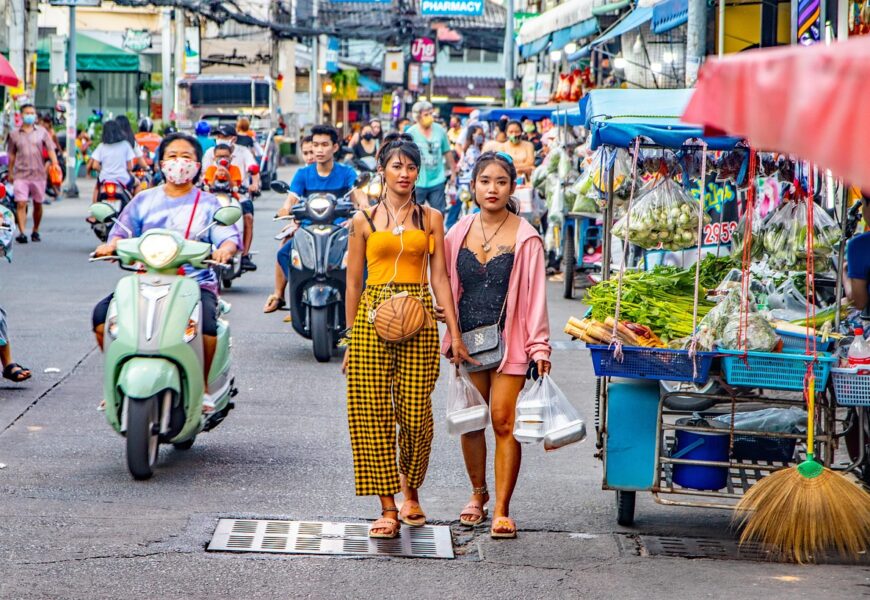
Thailand, a vibrant and culturally rich nation in Southeast Asia, has long fascinated the world with its complex social dynamics and the remarkable role of women within its society. Thai women represent a unique blend of traditional values and modern aspirations, navigating a sophisticated cultural landscape that balances deep-rooted traditions with contemporary global influences. From rural communities to bustling urban centers like Bangkok, women in Thailand have increasingly become pivotal contributors to the nation’s economic, social, and cultural development.
Historical Context and Cultural Heritage
The historical trajectory of Thai women reveals a nuanced narrative of resilience, adaptation, and progressive transformation. Unlike many societies where women faced extreme marginalization, Thai culture traditionally respected women’s contributions and provided them with relatively significant social mobility. Buddhist philosophical principles, which emphasize compassion and individual potential, have played a crucial role in shaping gender perspectives. Historically, Thai women held important economic and familial roles, often managing household finances and participating actively in agricultural and trading activities.
Traditional Thai society viewed women as essential family members, with expectations of nurturing, supporting, and maintaining familial harmony. Extended family structures meant that women’s roles extended beyond immediate nuclear family dynamics, creating complex social networks where female influence was substantial. Educational opportunities for women have dramatically expanded over the past decades, with women now representing a significant percentage of university graduates across multiple disciplines.
Contemporary Social and Professional Landscape
Modern Thai women are challenging traditional gender stereotypes and making remarkable strides across professional domains. In contemporary Thailand, women occupy leadership positions in government, corporate sectors, entrepreneurship, academia, and creative industries. The corporate landscape has witnessed significant female representation, with women constituting nearly 50% of management roles in various sectors. This professional advancement reflects broader societal shifts towards gender equality and recognition of women’s capabilities beyond traditional expectations.
The technology and startup ecosystem in Thailand has seen particularly dynamic female participation. Young Thai women are leveraging digital platforms, creating innovative businesses, and challenging conventional career trajectories. Social media, digital marketing, and technological entrepreneurship have emerged as domains where women are demonstrating exceptional creativity and strategic acumen. These professional achievements are reshaping societal perceptions and creating new narratives about female potential and leadership.
Cultural Values and Social Dynamics
Thai cultural values continue to significantly influence women’s social experiences, creating a complex interplay between traditional expectations and modern aspirations. The concept of ‘kreng jai’, which represents respect, consideration, and avoiding direct confrontation, remains deeply embedded in social interactions. For Thai women, this cultural nuance requires sophisticated navigation of personal and professional relationships, balancing assertiveness with diplomatic sensitivity.
Family remains a central institution in Thai society, with women often serving as primary caregivers and emotional anchors. However, contemporary urban generations are redefining these traditional roles, negotiating more egalitarian family dynamics and challenging patriarchal structures. Increased educational opportunities, economic independence, and global exposure are empowering women to make more autonomous life choices regarding marriage, career, and personal development.
Educational and Economic Empowerment
Education has emerged as a transformative force for Thai women, providing pathways to social mobility and personal growth. Thai women consistently outperform men in higher education enrollment, representing approximately 60% of university students across various disciplines. Fields like medicine, law, engineering, and social sciences have seen significant female participation, challenging historical gender-based educational limitations.
Economic empowerment has followed educational advancement, with women increasingly contributing to Thailand’s economic landscape. Small and medium enterprises (SMEs) have become particularly attractive domains for female entrepreneurship, with women launching innovative businesses across traditional and emerging sectors. Government policies promoting gender equality and women’s economic participation have further accelerated these positive transformations.
Challenges and Future Perspectives
Despite remarkable progress, Thai women continue to navigate complex societal challenges. Gender-based discrimination, workplace inequalities, and deeply ingrained cultural expectations persist. Sexual harassment, unequal pay, and limited leadership opportunities remain significant concerns. However, increasing awareness, legal reforms, and grassroots movements are gradually challenging these systemic barriers.
The future for Thai women appears promising, characterized by continuous evolution and expanding opportunities. Younger generations are increasingly embracing intersectional perspectives, challenging traditional gender norms, and creating more inclusive social frameworks. Technology, global connectivity, and progressive educational approaches are providing unprecedented platforms for personal and professional growth.
In conclusion, Thai women represent a dynamic, multifaceted demographic experiencing profound social transformation. Their journey reflects a remarkable narrative of resilience, adaptation, and continuous empowerment. By honoring traditional values while embracing modern opportunities, Thai women are actively reshaping societal structures, challenging stereotypes, and creating innovative pathways for future generations. Their experiences offer powerful insights into the complex interplay between cultural heritage and contemporary global dynamics.