
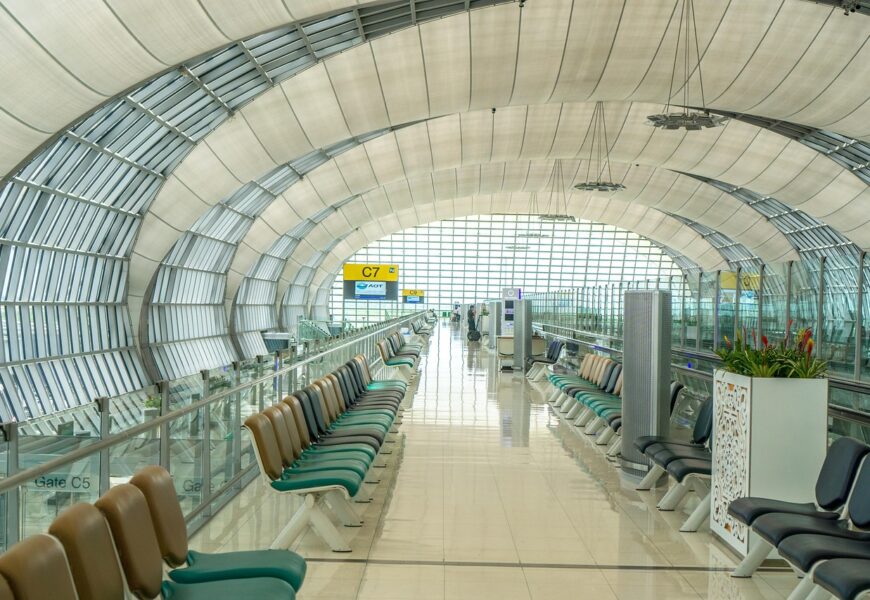
Navigating Thailand’s complex and vibrant aviation landscape can be both exciting and challenging for international travelers. With multiple world-class airports, diverse flight options, and unique travel considerations, understanding the intricacies of air travel in this Southeast Asian destination is crucial for a seamless journey. Thailand’s aviation infrastructure has dramatically evolved over the past two decades, transforming from a limited regional network to a sophisticated, globally connected transportation system that serves millions of international and domestic passengers annually.
Thailand’s Major International Airports
Thailand boasts several significant international airports, with Suvarnabhumi Airport in Bangkok serving as the primary international gateway. Located approximately 30 kilometers east of Bangkok’s city center, Suvarnabhumi handles over 65 million passengers annually and is consistently ranked among Asia’s top airports. The airport features state-of-the-art facilities, including multiple terminals, extensive duty-free shopping, numerous dining options, and efficient transportation connections to downtown Bangkok.
Don Mueang International Airport represents another critical aviation hub, primarily serving low-cost carriers and domestic routes. Originally Bangkok’s main airport before Suvarnabhumi’s construction, Don Mueang has been extensively renovated and modernized to accommodate budget airlines and regional flights. Phuket International Airport serves as the primary gateway for southern Thailand, handling significant tourist traffic to the popular island destination, while Chiang Mai International Airport connects northern Thailand to global networks.
Flight Routes and Airline Options
International travelers have numerous flight options when planning trips to Thailand, with major carriers like Thai Airways, Bangkok Airways, and AirAsia offering comprehensive route networks. European airlines such as Lufthansa, British Airways, and Emirates provide direct connections, while Asian carriers like Singapore Airlines, Cathay Pacific, and Korean Air offer extensive regional routes. Budget carriers like AirAsia, Nok Air, and Thai Lion Air have significantly expanded affordable travel options, making Thailand more accessible to budget-conscious travelers.
Domestic flight networks are equally robust, connecting major cities like Bangkok, Chiang Mai, Phuket, and Krabi with remarkable efficiency. Flights typically range from 45-90 minutes between destinations, providing convenient alternatives to long-distance bus or train travel. Travelers should compare prices across multiple carriers and consider factors like baggage allowances, in-flight services, and scheduling flexibility when selecting their preferred airline.
Airport Transportation and Logistics
Navigating Thai airports requires understanding various transportation options and logistical considerations. Most major airports offer multiple transit methods, including airport rail links, shuttle buses, taxi services, and ride-sharing platforms. In Bangkok, the Airport Rail Link provides a fast, affordable connection between Suvarnabhumi Airport and central Bangkok, with trains departing every 15-30 minutes and covering the distance in approximately 30 minutes.
International travelers should prepare for potential language barriers and familiarize themselves with local customs procedures. Ensuring proper documentation, understanding visa requirements, and having sufficient local currency can streamline airport experiences. Travelers are advised to arrive at least three hours before international flights, accounting for potential security screening and immigration processing times.
Seasonal Travel and Flight Considerations
Thailand’s tourism landscape experiences significant seasonal variations, directly impacting flight availability and pricing. The peak tourist season runs from November to February, characterized by cooler temperatures and minimal rainfall. During this period, flight prices tend to be higher, and advanced booking becomes essential. Conversely, the monsoon season between June and October offers lower airfares and fewer tourist crowds, though travelers should prepare for potential weather-related disruptions.
Understanding seasonal patterns can help travelers optimize their flight strategies. Budget-conscious travelers might consider shoulder seasons like March-May or September-October, which offer balanced pricing and relatively comfortable weather conditions. Booking flights at least 2-3 months in advance and remaining flexible with travel dates can result in substantial savings.
Technology and Travel Innovations
Modern Thai aviation increasingly embraces technological innovations, with airports and airlines implementing advanced digital solutions. Mobile boarding passes, online check-in, and real-time flight tracking have become standard features. Many Thai airports now offer comprehensive Wi-Fi coverage, digital information kiosks, and seamless connectivity for international travelers. Biometric screening and contactless technologies are gradually being integrated, enhancing security and passenger experience.
Travelers should download airline mobile applications, enable international roaming or local SIM cards, and familiarize themselves with digital resources. Many airlines and airports provide comprehensive mobile platforms offering real-time updates, gate information, and additional services that can significantly simplify travel experiences.
Navigating Thailand’s aviation landscape requires careful planning, cultural awareness, and strategic decision-making. By understanding airport infrastructures, flight options, seasonal considerations, and technological innovations, travelers can transform potentially complex journeys into smooth, enjoyable experiences. Staying informed, remaining flexible, and approaching travel with an open mind will unlock the incredible potential of exploring this remarkable destination through its world-class aviation network.