
Thailand offers a mesmerizing tapestry of urban experiences that blend ancient traditions with modern dynamism. From bustling metropolitan centers to historic cultural hubs, the country’s cities represent a fascinating microcosm of Thai society, each with its own unique character and charm. Understanding these urban landscapes provides travelers and cultural enthusiasts with profound insights into Thailand’s complex social fabric, economic development, and rich cultural heritage. Whether you’re a first-time visitor or a seasoned traveler, exploring Thailand’s diverse cities reveals layers of complexity that extend far beyond typical tourist experiences.
Bangkok: The Vibrant Metropolitan Heart
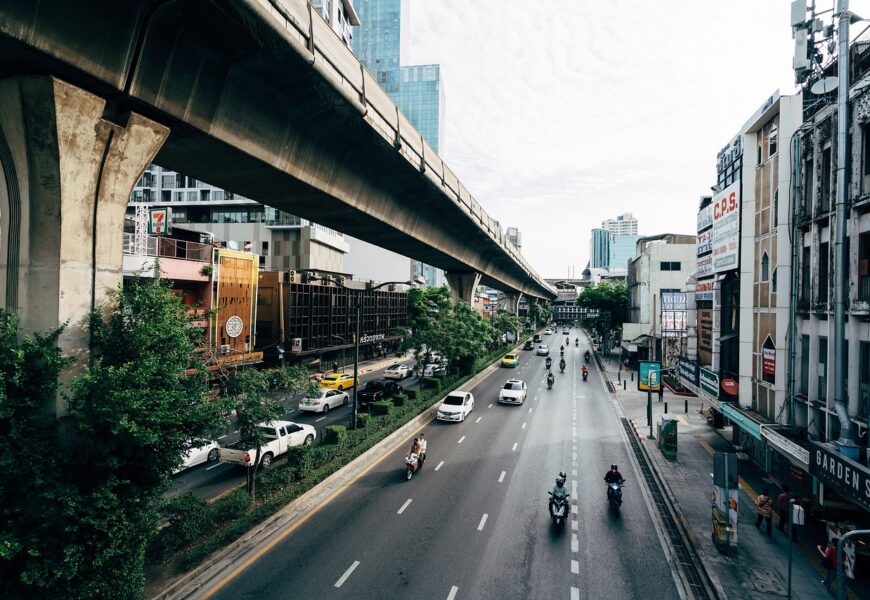
Bangkok, Thailand’s capital and largest city, stands as a testament to the nation’s rapid modernization and cultural resilience. Home to over 10 million people in its metropolitan area, this dynamic metropolis seamlessly blends ultra-modern skyscrapers with centuries-old Buddhist temples. The city’s landscape is a visual symphony of contrasts, where traditional teak houses sit alongside gleaming shopping malls and cutting-edge architecture. Key districts like Sukhumvit and Silom showcase Bangkok’s economic prowess, featuring international businesses, luxury hotels, and world-class dining experiences. Meanwhile, historic areas such as Rattanakosin preserve the city’s cultural essence, housing magnificent royal palaces and sacred religious sites.
Visitors to Bangkok can explore an incredible range of experiences, from street food markets offering authentic culinary delights to sophisticated rooftop bars with panoramic city views. The city’s public transportation system, including the BTS Skytrain and MRT subway, provides efficient connectivity, making urban exploration remarkably convenient. Bangkok’s economic significance extends beyond tourism, serving as a major regional hub for finance, technology, and international commerce.
Chiang Mai: Cultural Capital of Northern Thailand
Nestled in the mountainous northern region, Chiang Mai represents a dramatically different urban experience compared to Bangkok. With a population of approximately 200,000, this ancient city offers a more relaxed and culturally immersive environment. Founded in 1296 as the capital of the Lanna Kingdom, Chiang Mai retains much of its historical charm through well-preserved city walls, numerous Buddhist temples, and traditional architectural styles. The city has emerged as a significant center for arts, crafts, and cultural preservation, attracting digital nomads, artists, and cultural researchers from around the world.
Chiang Mai’s economy has diversified beyond traditional agriculture, becoming a hub for creative industries, technology startups, and international education. The city hosts numerous international conferences, art festivals, and cultural events that draw global attention. Its cooler climate and scenic mountain backdrop provide a refreshing alternative to Thailand’s tropical coastal regions, making it a popular destination for long-term travelers and expatriates seeking a more contemplative urban experience.
Phuket: Coastal Urban Destination
Phuket represents Thailand’s premier island city, combining urban infrastructure with stunning coastal landscapes. As Thailand’s largest island, it offers a unique blend of modern amenities and natural beauty. The city of Phuket has transformed from a modest fishing and trading port to a world-renowned tourist destination, attracting millions of international visitors annually. Its urban center features a mix of Sino-Portuguese architectural heritage, modern shopping complexes, and vibrant entertainment districts that cater to diverse international audiences.
The city’s economic model heavily relies on tourism, with sophisticated hospitality infrastructure supporting luxury resorts, international restaurants, and comprehensive tourist services. Phuket’s international airport serves as a major gateway for regional and international travelers, connecting the island city to global destinations. Beyond tourism, the city has developed significant marine industries, maritime services, and emerging technology sectors that contribute to its economic diversification.
Emerging Urban Centers: Nakhon Ratchasima and Chonburi
Beyond the well-known metropolitan areas, cities like Nakhon Ratchasima and Chonburi represent Thailand’s evolving urban landscape. Nakhon Ratchasima, located in the northeastern Isaan region, has emerged as a significant industrial and educational center. With a growing population and increasing economic importance, the city serves as a crucial link between urban and rural development. Chonburi, meanwhile, has transformed through its proximity to the Eastern Economic Corridor, attracting significant industrial and technological investments.
These emerging urban centers demonstrate Thailand’s broader economic strategy of decentralizing development and creating multiple economic hubs across different regions. They offer insights into the country’s ambitious urban planning initiatives, showcasing how secondary cities are becoming increasingly important in national economic development.
Urban Challenges and Future Perspectives
Thailand’s urban centers face complex challenges including environmental sustainability, infrastructure development, and managing rapid economic transformation. Cities are implementing innovative solutions such as green urban planning, smart transportation systems, and sustainable development strategies. The ongoing digital transformation and investment in technology infrastructure position Thai cities as potential regional leaders in urban innovation.
As Thailand continues to develop, its cities will play a crucial role in shaping the nation’s economic and social future. The dynamic interplay between traditional cultural values and modern urban aspirations creates a unique and fascinating urban landscape that continues to evolve and surprise.
Understanding Thailand’s cities offers more than just a travel experience – it provides a window into a rapidly transforming society balancing tradition and modernity. From the bustling streets of Bangkok to the serene temples of Chiang Mai, each urban center tells a distinctive story of Thailand’s complex cultural and economic journey. Travelers and researchers alike will find endless opportunities for exploration, learning, and discovery within these vibrant urban environments.