
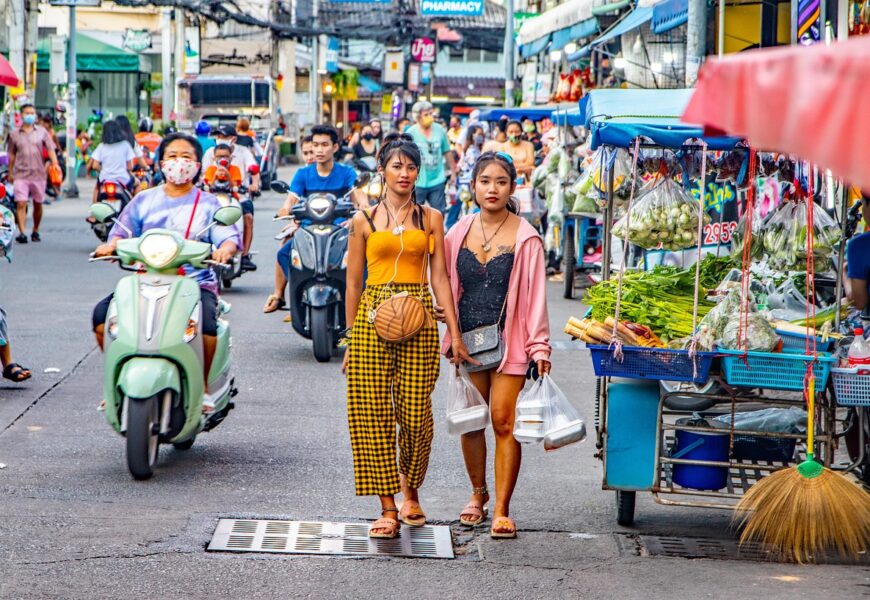
Thailand represents a fascinating landscape of cultural complexity, particularly when examining the experiences, roles, and perspectives of Thai women. Throughout centuries of social evolution, Thai women have navigated intricate social structures, cultural expectations, and rapidly changing societal dynamics. From traditional rural communities to bustling urban centers like Bangkok, women in Thailand embody a remarkable blend of historical traditions and contemporary aspirations. Their experiences reflect a nuanced narrative of resilience, adaptation, and progressive transformation that challenges simplistic external perceptions.
Historical Context and Cultural Foundations
The historical trajectory of Thai women reveals a profound story of strength and adaptation. Unlike many societies with strictly patriarchal systems, traditional Thai culture has historically granted women relatively significant social and economic freedoms. Buddhist cultural influences and matrilineal family structures have contributed to a more balanced gender perspective, where women often held substantial economic and familial decision-making roles. Ancient Thai kingdoms frequently featured women in leadership positions, with notable examples of queens and royal advisors who wielded considerable political influence.
Archaeological and historical evidence suggests that Thai women have long been respected contributors to community and economic systems. They managed significant portions of agricultural and trading activities, demonstrating economic agency that challenged many contemporary global gender norms. This historical foundation has provided a robust framework for modern Thai women to continue pursuing diverse professional and personal opportunities.
Education and Professional Advancement
Contemporary Thai women have made remarkable strides in educational and professional domains. Recent statistical data indicates that women in Thailand now consistently outperform men in higher education enrollment, with approximately 60% of university graduates being female. This educational empowerment has translated into increased professional opportunities across multiple sectors, including technology, healthcare, business management, and government administration. Urban centers like Bangkok have become particularly progressive platforms for women’s professional development.
The professional landscape for Thai women continues to evolve rapidly, with increasing representation in leadership roles and entrepreneurial ventures. Young women are challenging traditional career expectations, pursuing careers in technology, scientific research, and international business with growing confidence and strategic vision. Government policies promoting gender equality have further accelerated these transformative trends, creating more inclusive workplace environments.
Social and Cultural Challenges
Despite significant progress, Thai women continue to navigate complex social and cultural challenges. Traditional gender expectations, deeply rooted in cultural and religious frameworks, sometimes conflict with modern aspirations. Rural communities often maintain more conservative perspectives regarding women’s roles, creating tension between traditional and contemporary social models. Issues such as workplace discrimination, economic disparities, and limited leadership representation persist as ongoing challenges.
Cultural expectations surrounding marriage, family responsibilities, and personal autonomy remain intricate negotiation spaces for many Thai women. The delicate balance between respecting traditional family structures and pursuing individual aspirations represents a nuanced social dynamic that requires continuous adaptation and negotiation. Social movements and generational shifts are gradually reshaping these traditional expectations, creating more flexible and inclusive social frameworks.
Cultural Identity and Global Perspectives
Thai women represent a sophisticated intersection of local cultural identity and global interconnectedness. Their ability to maintain strong cultural roots while embracing international perspectives demonstrates remarkable cultural adaptability. Traditional values of respect, family commitment, and community engagement coexist with contemporary global awareness, creating a unique and dynamic social identity. Language skills, educational opportunities, and technological connectivity have enabled many Thai women to develop truly transnational perspectives.
The global perception of Thai women has also undergone significant transformation. Beyond outdated stereotypes, international communities increasingly recognize the complexity, intelligence, and diversity of Thai women’s experiences. Academic, professional, and artistic achievements have contributed to a more nuanced and respectful global understanding of Thai women’s multifaceted identities.
Future Trajectories and Emerging Opportunities
The future for Thai women appears increasingly promising, characterized by expanding opportunities and progressive social dynamics. Technological advancements, educational access, and evolving social perspectives are creating unprecedented pathways for personal and professional growth. Younger generations are demonstrating greater willingness to challenge traditional limitations, pursue innovative career paths, and redefine societal expectations.
Emerging trends suggest continued momentum toward gender equality, with increased political representation, entrepreneurial initiatives, and social advocacy. The ongoing transformation of Thai women’s roles represents not just a national narrative but a compelling global story of resilience, adaptation, and empowerment. Their journey embodies a powerful testament to the potential for cultural evolution and individual agency.
In conclusion, Thai women represent a dynamic and multifaceted social group characterized by rich historical traditions and progressive contemporary aspirations. Their experiences illuminate the complex interplay between cultural heritage and modern global dynamics. By continuously negotiating traditional expectations and emerging opportunities, Thai women are actively reshaping societal narratives, challenging limitations, and creating more inclusive and equitable social frameworks. Their story is one of remarkable resilience, strategic adaptation, and ongoing transformation that offers profound insights into the potential for individual and collective empowerment.