
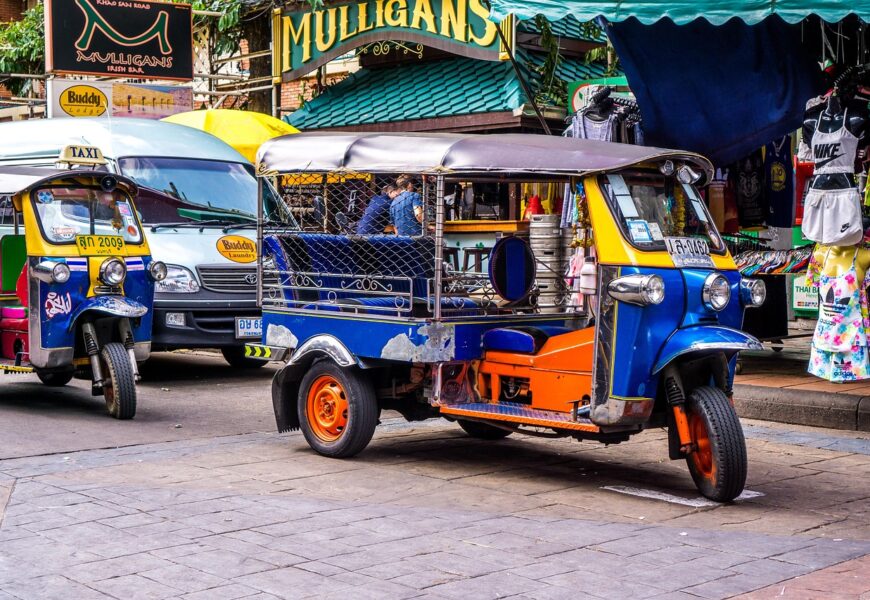
Traveling to Thailand offers an incredible adventure filled with stunning landscapes, rich cultural experiences, and warm hospitality. However, navigating the complex legal landscape can be challenging for international visitors. Understanding Thailand’s laws is crucial to ensuring a safe, enjoyable, and trouble-free journey. Many tourists unknowingly violate local regulations, potentially facing significant legal consequences that could dramatically impact their travel experience. This comprehensive guide will provide essential insights into Thailand’s legal framework, helping travelers make informed decisions and respect local customs and regulations.
Entry and Visa Regulations
Thailand’s entry requirements are strict and meticulously enforced. Tourists must possess a valid passport with at least six months of remaining validity from their planned entry date. Most nationalities can enter Thailand for tourism purposes without a pre-arranged visa, receiving a 30-day visa-free entry at international airports and land borders. However, visitors must demonstrate proof of onward travel and sufficient financial resources, typically requiring evidence of at least 20,000 Thai Baht (approximately $600 USD) in cash or bank statements.
Overstaying your permitted duration can result in substantial penalties, including daily fines of 500 Thai Baht and potential detention. Travelers must carefully track their permitted stay and either exit the country or obtain an official visa extension through local immigration offices. It is crucial to maintain accurate documentation and comply with all entry regulations to avoid potential legal complications.
Cultural Respect and Legal Considerations
Thailand’s legal system places significant emphasis on cultural respect, particularly regarding the monarchy and religious institutions. Criticizing or insulting the royal family is considered a severe offense under lèse-majesté laws, which can result in imprisonment of up to 15 years. Tourists must exercise extreme caution when discussing royal matters and demonstrate profound respect for Thai cultural traditions.
Religious sites and Buddhist symbols are also protected by law. Inappropriate behavior, such as climbing on religious monuments or disrespecting sacred spaces, can lead to legal consequences and potential deportation. Visitors should dress modestly when visiting temples, covering shoulders and knees, and always ask permission before photographing religious artifacts or monks.
Drug and Substance Laws
Thailand maintains extremely stringent drug laws with severe penalties for possession, distribution, and consumption. Recreational drug use is strictly prohibited, with potential consequences including lengthy prison sentences and substantial fines. Even minor possession of illegal substances can result in immediate arrest and prosecution. Marijuana, while recently decriminalized, remains heavily regulated, and tourists must obtain proper medical documentation or risk legal repercussions.
Prescription medications require careful handling, with travelers advised to carry original packaging and official prescriptions. Certain medications considered legal in other countries might be classified as controlled substances in Thailand. Visitors should consult Thai embassies and carry comprehensive medical documentation to prevent potential legal complications during entry and travel.
Public Behavior and Conduct Regulations
Thai law emphasizes public decorum and expects visitors to maintain appropriate behavior in public spaces. Public displays of affection are considered inappropriate and can attract legal attention. Loud or disruptive behavior, particularly in religious or cultural sites, may result in warnings or potential legal intervention. Tourists should remain calm, respectful, and mindful of local social norms.
Gambling is strictly regulated in Thailand, with most forms of betting prohibited outside designated areas. Online gambling and unauthorized gambling activities can lead to significant legal consequences. Tourists should avoid engaging in any gambling activities without proper authorization and understand the potential risks associated with such actions.
Transportation and Traffic Laws
Driving in Thailand requires an international driving permit and compliance with local traffic regulations. Motorcycle rentals are popular but come with significant legal risks. Travelers must possess a valid motorcycle license and wear helmets to avoid potential fines and legal complications. Many travel insurance policies become invalid if local traffic laws are violated.
Drunk driving laws are rigorously enforced, with severe penalties including substantial fines, potential imprisonment, and immediate license revocation. The legal blood alcohol limit is extremely low, and roadside testing is common. Tourists should prioritize personal safety and legal compliance by avoiding driving under any form of intoxication.
Conclusion and Key Takeaways
Navigating Thailand’s legal landscape requires careful preparation, cultural sensitivity, and proactive understanding of local regulations. By researching and respecting local laws, tourists can ensure a safe, enjoyable, and memorable experience. Always carry essential documentation, maintain respectful behavior, and remain aware of cultural nuances. Consulting official government resources and seeking advice from reputable travel agencies can provide additional guidance. Remember that preparation and awareness are your best tools for a successful and legally compliant Thai adventure.