
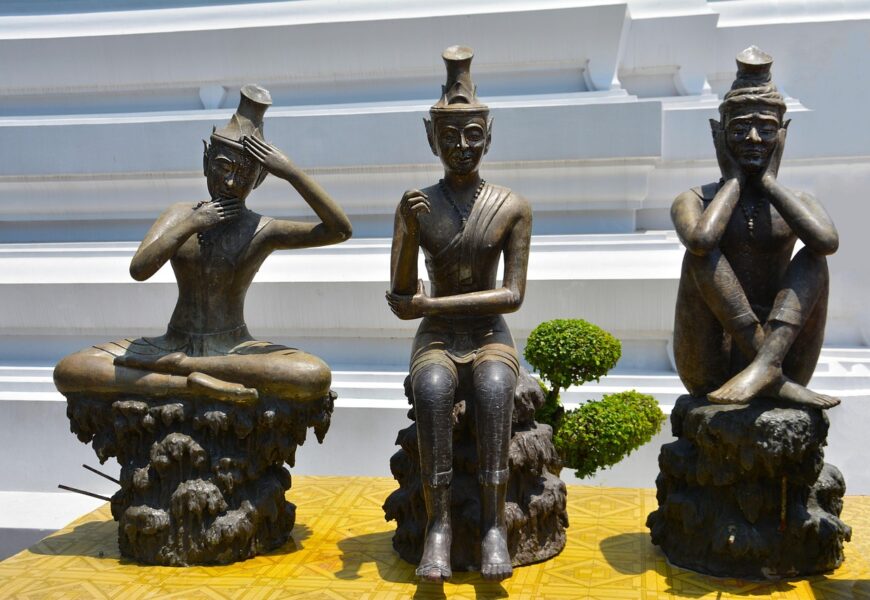
Thailand’s massage culture represents a profound healing tradition that extends far beyond simple physical manipulation, embodying centuries of holistic wellness practices deeply rooted in cultural and spiritual heritage. From bustling Bangkok streets to serene rural villages, massage in Thailand is not merely a luxury service but a comprehensive approach to health, relaxation, and spiritual balance. With origins tracing back over 2,500 years, Thai massage integrates elements of traditional medicine, yoga, meditation, and energy work to create a uniquely transformative therapeutic experience that has garnered global recognition and respect.
Historical Origins of Thai Massage
Traditional Thai massage, known as ‘Nuad Boran’, emerged from a complex blend of influences including Indian Ayurvedic practices, Chinese medical techniques, and indigenous Southeast Asian healing traditions. Buddhist monks played a pivotal role in developing and preserving these techniques, viewing massage as a form of spiritual and physical healing. Practitioners believe massage channels energy through the body’s sen lines, similar to meridian concepts in traditional Chinese medicine, promoting holistic wellness and preventing disease.
Historical records suggest that Thai massage techniques were first codified during the Ayutthaya Kingdom (14th-18th centuries), with royal physicians documenting comprehensive treatment protocols. These early practitioners viewed massage as an integrated medical practice, not simply a relaxation technique, emphasizing the body’s interconnected energy systems and natural healing capacities.
Traditional Techniques and Methodology
Thai massage distinguishes itself through a unique approach that combines stretching, compression, and energy work. Unlike Western massage styles focusing on muscle manipulation, Thai massage practitioners use hands, elbows, feet, and body weight to apply precise pressure and guide recipients through yoga-like stretching movements. Recipients typically remain fully clothed on floor mats, allowing for greater movement and flexibility during treatment.
Key techniques include rhythmic compression, joint mobilization, and passive stretching designed to improve flexibility, release muscular tension, and stimulate energy flow. Practitioners undergo extensive training to understand body mechanics, energy pathways, and therapeutic techniques, ensuring a sophisticated and nuanced approach to healing.
Cultural Significance and Social Context
Massage in Thailand transcends mere physical therapy, representing a profound cultural practice embedded in social interactions and wellness philosophies. Traditional healing practices remain integral to community health, with massage viewed as a fundamental component of preventative medicine. Rural communities often maintain generational massage knowledge, passing techniques through family and community networks.
Professional massage schools throughout Thailand provide rigorous training programs, transforming massage from a familial tradition into a respected professional discipline. Government-regulated institutions ensure high standards of practice, promoting massage as a legitimate healthcare and wellness profession with significant economic and cultural importance.
Modern Massage Landscape and Tourism
Thailand’s massage industry has become a significant global attraction, drawing millions of international tourists seeking authentic therapeutic experiences. Bangkok and tourist destinations like Chiang Mai and Phuket feature thousands of massage establishments ranging from modest street-side shops to luxurious spa resorts. The industry generates billions of baht annually, representing a crucial economic sector that combines traditional healing practices with modern tourism infrastructure.
International recognition has led to increased standardization and professionalization, with many establishments now offering certified training programs and internationally recognized qualifications. This evolution has helped preserve traditional techniques while adapting to global wellness trends and expectations.
Legal and Ethical Considerations
Thailand’s massage industry operates within a complex legal framework addressing both traditional therapeutic practices and potential exploitation concerns. Government regulations aim to protect practitioners and clients, establishing clear guidelines for professional conduct, training standards, and workplace safety. Recent legislative efforts have focused on distinguishing between legitimate massage services and potentially exploitative environments.
Professional associations and government agencies collaborate to promote ethical practices, implement training standards, and ensure the massage profession maintains its dignity and therapeutic integrity. These efforts help protect both practitioners and clients while preserving the cultural significance of traditional healing techniques.
Thailand’s massage culture represents a remarkable fusion of ancient wisdom and contemporary wellness practices. By honoring traditional techniques while embracing modern standards, the country has transformed massage from a localized healing practice into a globally recognized therapeutic art form. For those seeking authentic, holistic wellness experiences, Thai massage offers a profound journey of physical, mental, and spiritual restoration that continues to captivate practitioners and recipients worldwide.