
Thailand, a vibrant Southeast Asian nation, boasts an incredible array of cities that showcase the country’s rich cultural heritage, modern dynamism, and extraordinary diversity. From bustling metropolises to historic urban centers, Thailand’s cities offer travelers and residents an unparalleled glimpse into a world where tradition and innovation seamlessly coexist. Each city presents a unique tapestry of experiences, blending ancient temples, cutting-edge architecture, world-renowned cuisine, and warm hospitality that has made Thailand a global destination for travelers, expatriates, and business professionals alike.
Bangkok: The Cosmopolitan Capital
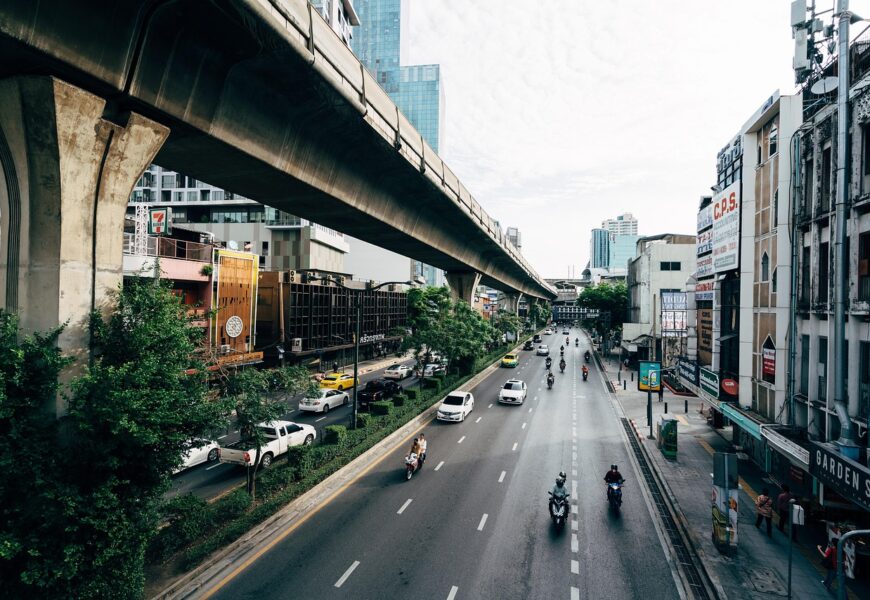
Bangkok, Thailand’s largest city and economic powerhouse, represents the epitome of urban transformation and cultural complexity. Home to over 10 million residents, this metropolis combines centuries-old traditions with hyper-modern infrastructure. The city’s skyline is a stunning mix of gleaming skyscrapers, ornate Buddhist temples, and historic royal complexes. Visitors are immediately struck by the sensory overload: intricate street markets, sophisticated shopping centers, and a transportation network that includes everything from traditional tuk-tuks to advanced sky train systems.
The city’s cultural landscape is equally impressive, featuring landmarks like the Grand Palace, Wat Phra Kaew, and numerous world-class museums that showcase Thailand’s rich historical narrative. Bangkok’s culinary scene is legendary, offering everything from street food stalls serving authentic pad thai to Michelin-starred restaurants pushing gastronomic boundaries. International businesses have also recognized Bangkok’s strategic importance, making it a key economic hub in Southeast Asia.
Chiang Mai: Cultural Heart of Northern Thailand
Nestled in the mountainous region of northern Thailand, Chiang Mai represents a dramatically different urban experience from Bangkok. Often called the cultural capital, this city seamlessly blends ancient traditions with a growing modern infrastructure. Founded in 1296, Chiang Mai is surrounded by historic walls and moats, with over 300 temples scattered throughout its urban landscape. The city has become a magnet for digital nomads, artists, and cultural enthusiasts seeking a more relaxed and authentic Thai experience.
Chiang Mai’s economy has evolved significantly, transforming from a traditional handicraft and agricultural center to a sophisticated hub for technology, education, and creative industries. The city hosts numerous international universities, tech startups, and innovative businesses that contribute to its dynamic economic ecosystem. Its cooler climate and stunning natural surroundings also make it a popular destination for eco-tourism and adventure travelers.
Phuket: Tropical Urban Paradise
Phuket represents Thailand’s premier island city, offering a unique blend of urban amenities and stunning tropical landscapes. As Thailand’s largest island, it combines sophisticated infrastructure with breathtaking natural beauty. The city has successfully developed a robust tourism economy while maintaining significant fishing and agricultural industries. Modern resorts, international airports, and world-class healthcare facilities coexist with traditional fishing villages and historic Sino-Portuguese architectural districts.
The city’s economic diversity is remarkable, with tourism, marine industries, and emerging technology sectors driving significant growth. Phuket has also become a major real estate and investment destination, attracting international investors and expatriates seeking a high-quality lifestyle in a tropical setting. Its multicultural population and welcoming atmosphere make it a truly cosmopolitan urban center.
Chiang Rai: Gateway to the Golden Triangle
Located in Thailand’s northernmost region, Chiang Rai offers a fascinating glimpse into the country’s complex cultural and historical landscape. Positioned near the borders of Myanmar and Laos, this city serves as a crucial economic and cultural crossroads. Its strategic location has historically made it an important trading center, and today it continues to play a significant role in regional commerce and cultural exchange.
The city is renowned for its stunning white temple (Wat Rong Khun), which represents a modern artistic interpretation of traditional Buddhist architecture. Chiang Rai’s economy is increasingly diversified, with agriculture, tourism, and emerging technology sectors contributing to its growth. The region’s ethnic diversity, including hill tribe communities, adds another layer of cultural richness to this remarkable urban center.
Pattaya: Entertainment and Economic Hub
Pattaya has transformed dramatically from a small fishing village to a dynamic international destination. Located on Thailand’s eastern seaboard, the city has developed a sophisticated tourism infrastructure while maintaining significant industrial and maritime economic activities. Its proximity to Bangkok and modern transportation networks have made it an attractive location for international businesses and tourists alike.
Beyond its reputation as an entertainment destination, Pattaya has invested heavily in infrastructure, education, and technology sectors. The city hosts numerous international conferences, sporting events, and business conventions, reflecting its growing importance as a regional economic center. Its ability to balance tourism with sustainable development represents a model of urban transformation in Southeast Asia.
Thailand’s cities represent far more than mere geographic locations; they are living, breathing ecosystems that embody the nation’s remarkable capacity for adaptation, innovation, and cultural preservation. Each urban center tells a unique story of tradition and progress, offering visitors and residents an extraordinary window into Thailand’s complex and fascinating social landscape. From the bustling streets of Bangkok to the serene mountains surrounding Chiang Mai, these cities continue to evolve, promising exciting opportunities and experiences for generations to come.